October 13, 2026
Famous Work-For-Hire IPs
Famous IP Examples and How Work-for-Hire Copyrights Work Quick answer: A work made for hire is...
October 05, 2026
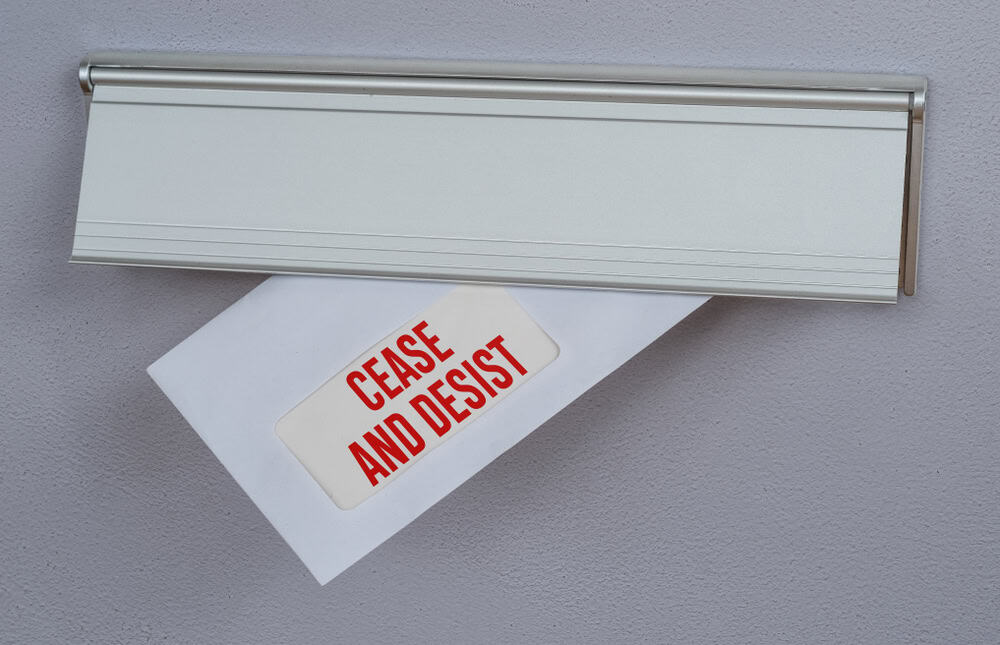
When and How to Send a Cease and Desist Letter
When and How to Send a Cease and Desist Letter TL;DR: A cease and desist letter...

September 28, 2026
What is the Amazon Brand Registry?
What Is Amazon Brand Registry and Why Does It Matter? TL;DR: Amazon Brand Registry is a...

September 21, 2026
How to Build a Brand Protection Plan as You Scale Up
Quick answer: A brand protection plan safeguards your reputation as you grow by securing your legal...
Quick answer: A DMCA takedown is a formal process that allows copyright owners to request that website hosts and online platforms remove infringing content, including text, images, videos, and code, without first obtaining a court order. Content creators and businesses can often file a notice themselves at no cost, making DMCA takedowns one of the most accessible ways to protect copyrighted work online.
Content theft happens every day. Blog posts get copied and republished without credit. Images are lifted and used without permission. Videos are re-uploaded to competing channels. For content creators and businesses, this is more than an inconvenience; it is a direct threat to revenue, brand integrity, and audience trust.
The good news? You do not need a lawyer or a lawsuit to fight back. The Digital Millennium Copyright Act gives you a powerful, no-cost tool to reclaim your content fast.
What Is a DMCA Takedown?
A DMCA takedown is a formal notice that compels website hosts and online platforms to remove infringing content. Established under the Digital Millennium Copyright Act of 1998, the process requires platforms to act quickly on valid notices or risk losing their legal “safe harbor” protections.
This means that when you submit a properly formatted notice, platforms are legally motivated to comply, often within hours or days.
Why DMCA Takedowns Are Effective
1. How Fast Can a DMCA Notice Remove Stolen Content?
Speed is one of the biggest advantages. Platforms like Google, YouTube, and web hosting providers typically respond to valid DMCA notices within 24 to 72 hours. Because ignoring a valid notice puts their safe harbor status at risk, compliance is in their direct interest.
2. Do You Need a Lawyer to File a DMCA Takedown?
No. Self-filing a DMCA notice costs $0. You do not need to hire an attorney or file anything with a court to get results. For most cases of straightforward content theft, the process is entirely DIY.
3. How Does a DMCA Notice Protect Your Legal Rights?
Filing a DMCA notice shifts the legal pressure onto the hosting provider or internet service provider. Rather than pursuing an infringer directly, you are holding the platform accountable for removing the stolen material. This is a much faster and less costly path than civil litigation.
4. How Does Removing Stolen Content Protect Your Revenue?
Copied or pirated content can siphon traffic, sales, and audience attention away from the original creator. A successful DMCA takedown stops this loss at the source, restoring your content’s rightful place in search results and on social platforms.
Step-by-Step Guide to Filing a DMCA Notice
Step 1: Find the Original and Stolen URLs
Start by documenting the exact web address of your original work and the exact web address where the infringing copy appears. Screenshots with timestamps can help strengthen your claim.
Step 2: Locate the Designated Agent
Check the website’s footer for a “Copyright,” “Legal,” or “Abuse” contact. If nothing is listed, use the ICANN Lookup Tool to identify the site’s hosting provider and find the appropriate contact.
Step 3: Draft the Notice
A valid DMCA takedown notice must include specific information so the service provider can identify the copyrighted work, locate the allegedly infringing material, and verify your authority to request its removal. Your notice should include:
- A physical or electronic signature of the copyright owner or someone authorized to act on their behalf
- A description of the copyrighted work that you believe has been infringed
- Identification of the infringing material and enough information, such as a URL, for the service provider to locate it
- Your contact information, including an address, phone number, and email address when available
- A statement that you have a good-faith belief that the use of the material is not authorized by the copyright owner, its agent, or the law
- A statement that the information in your notice is accurate and, under penalty of perjury, that you are authorized to act on behalf of the copyright owner
The U.S. Copyright Office provides additional guidance on these requirements and the DMCA notice-and-takedown process.
Step 4: Submit the Notice
If the platform has an automated copyright tool, such as YouTube Studio, use it. Otherwise, email your formal notice directly to the host’s abuse department. Keep a copy of everything you send.
Protect Your Intellectual Property Rights
DMCA takedowns are one of the most accessible and effective tools available to content creators and businesses. They are fast, free, and legally enforceable without setting foot in a courtroom. For anyone whose original work has been stolen online, filing a DMCA notice is a logical and powerful first step.
If your situation is more complex, or if the infringing party has ignored a takedown or filed a counter-notice, the attorneys at ETB Law are ready to help. Contact ETB Law today for guidance on protecting your intellectual property rights.
Frequently Asked Questions
What qualifies as stolen content under the DMCA?
Any original work protected by copyright, including text, images, videos, audio, and code, qualifies. The work must be your original creation and must have been copied or republished without your authorization.
How long does a DMCA takedown take?
Most platforms act within 24 to 72 hours of receiving a valid notice. Some, like Google, process notices within a few days for search result removal.
What happens if the infringing party disputes my DMCA notice?
The infringing party can file a counter-notice. If they do, the platform may restore the content after 10 to 14 business days unless you pursue legal action. Consulting an intellectual property attorney in this scenario is strongly advised.
Can I file a DMCA takedown if my content is hosted outside the United States?
The DMCA applies to platforms and hosts operating under U.S. jurisdiction. For content hosted in other countries, the process may differ, and local copyright law may apply.
Is a DMCA takedown the same as a copyright infringement lawsuit?
No. A DMCA takedown is an administrative process that targets the hosting platform, not the infringer directly. A lawsuit is a separate legal action pursued through the courts, typically when a takedown alone is insufficient.